Cheap Health Insurance Alternatives for Nomads

Key Take-Aways
- Traditional international health insurance is not the only option available to us digital nomads seeking medical coverage, wherever we may venture.
- Travel insurance, local health insurance, regional plans, medical membership programs, and self-insurance strategies can sometimes reduce costs significantly.
- Lower-cost alternatives often involve tradeoffs in coverage limits, exclusions, or geographic protection zones.
Health insurance is one of those topics most digital nomads would rather not think about. It is far more exciting to compare destinations, plan your next move, get another residency, try out the local cuisine (and local women!) or optimize your remote income setup.
Yet ignoring healthcare planning can become surprisingly expensive when something unexpected happens abroad.
The challenge is that comprehensive medical plans can be costly, especially for long-term travelers, freelancers, and entrepreneurs who do not have employer-sponsored coverage.
As a result, many nomads begin looking for cheaper health insurance alternatives to protect their lifestyle without breaking the bank.
I can strongly recommend SafetyWing for any digital nomad, because of its perfect blend of international coverage, low costs and flexibility – perfect for us global travelers!

Option 1: Travel Insurance With Medical Coverage
One of the most common cheap health insurance for digital nomads is standard travel insurance with an embedded medical rider.
Many travel policies include robust emergency medical coverage, emergency evacuation benefits, and immediate protection for unexpected incidents that occur while moving between destinations.
For nomads who move frequently and spend limited time in any single country, travel insurance can be significantly cheaper than comprehensive international health insurance.
It functions well as a basic safety net, which is exactly why travel insurance is essential for digital nomads who want protection against sudden, catastrophic accidents while on the road.
However, there are important limitations you must understand. Travel insurance is generally designed for acute emergencies and unexpected medical events rather than ongoing, routine healthcare management.
Knowing these parameters can help you choose between different providers. Check out my SafetyWing vs World Nomads guide to see how different accident policies handle unexpected field hospitalizations.
Option 2: Local Health Insurance
Some digital nomads choose to stay in a single country for extended periods rather than changing locations every few weeks.
In those slow-travel situations, opting for localized healthcare plans can provide a much more affordable nomad medical cover solution.
Many countries offer private health insurance plans specifically designed for foreign residents or long-term visa holders.
These plans are priced according to local healthcare costs rather than inflated international medical pricing models.
As a result, monthly premiums may be considerably lower than global policies. The primary downside to this approach is geographic limitation and quality/scope of the coverage.
Your coverage is typically focused on a specific country and may provide little or no protection once you cross the border.
While this could be an excellent choice for a dedicated home base, you will still need alternatives to travel insurance for nomads when taking side trips to neighboring regions.
Option 3: Regional Health Insurance Plans
Not every single medical policy needs to cover the entire world to be effective.
Some insurers offer regional plans that focus exclusively on specific areas such as Southeast Asia, Europe, Latin America, or the Middle East.
Because the total coverage territory is reduced, the monthly premiums can often be lower than worldwide plans.
For example, a remote worker who spends most of the year within Europe may not require extensive coverage across every other continent.
Regional policies provide a useful middle ground between comprehensive international coverage and country-specific insurance.
These regional options are also helpful when navigating formal immigration frameworks. This includes meeting the strict health coverage standards defined under the official consular guidelines for European remote work permits.
Option 4: Combining Insurance With Self-Funding
Some experienced nomads choose to use a hybrid approach to manage their health risks.
They maintain a basic insurance policy for major medical events while budgeting separately for routine, minor healthcare expenses out of pocket.
This strategy can work particularly well in countries where private medical care remains relatively affordable.
A standard doctor consultation or medication in many popular destinations costs far less than what travelers from high-cost healthcare systems may expect.
For example, in the Philippines, a normal health check-up costs me less than $30. Hardly worth mentioning.
You can learn more about how international families like mine manage these localized medical costs by checking out the comparative data on expat medical planning options.
By paying directly for routine care and reserving formal insurance for larger emergencies, you can really achieve meaningful long-term savings.
That said, this approach requires real financial discipline and a healthy emergency fund.
The Reality of Self-Insurance
A small number of digital nomads choose complete self-insurance, opting to avoid formal policies entirely.
It’s what I’ve done for the longest time, especially considering the low-cost of living where I resided.
In simple terms, you can just set aside money in a savings account rather than purchasing coverage from an insurance provider.
While this may sound appealing from a pure cost-cutting perspective, it introduces substantial, open-ended financial risk.
Serious medical emergencies can quickly generate bills that far exceed what most individuals have available in standard savings accounts.
Emergency surgeries, intensive care treatment and serious accidents can become extraordinarily expensive.
Relying entirely on a personal bank account means a single major accident could deplete your hard-earned capital.
For that reason, complete self-insurance is generally one of the riskiest approaches available.
Most remote workers are far better served by maintaining at least some baseline level of formal protection to preserve their financial freedom.
Factors That Should Influence Your Decision
The right healthcare solution depends heavily on your personal circumstances and destination choices.
A freelance writer spending six months in Thailand doing extreme sports may require a completely different setup than a corporate consultant rotating frequently between Germany, Singapore, and the United States.
Furthermore, medical infrastructure varies significantly by region. For example, navigating the structural framework of medical facilities in Southeast Asia requires knowing that some local hospitals expect immediate upfront payment before admission.
- Your Age: Premiums step up significantly as you cross different age brackets.
- Your Medical History: Ongoing prescriptions or chronic conditions require specialized coverage.
- Your Destinations: High-cost medical countries require much higher maximum policy limits.
- Your Travel Frequency: Moving borders every week requires global flexibility rather than local plans.
- Your Risk Tolerance: Determine how much out-of-pocket deductible cost you can comfortably absorb.
Conclusion
In summation, cheap health insurance alternatives for nomads do exist, but every single option comes with clear, predefined tradeoffs.
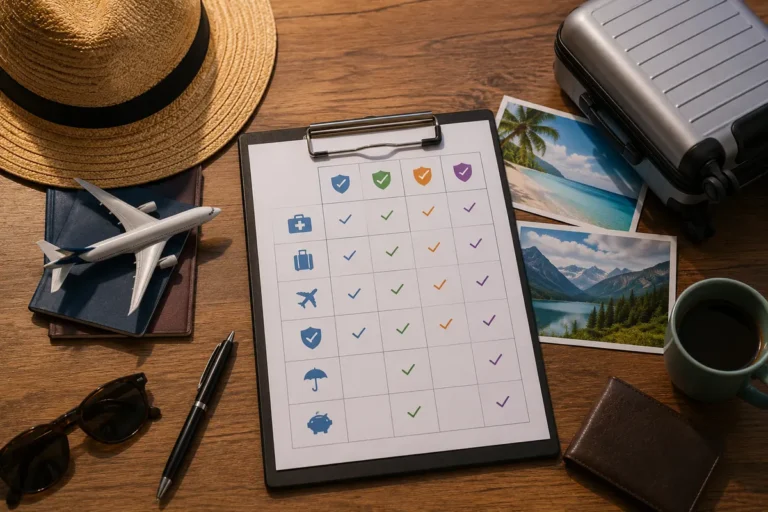
Travel insurance, local policies, regional coverage, high-deductible international plans, medical membership programs, and hybrid self-funding strategies can all reduce your monthly costs under the right circumstances.
The key is understanding exactly what you are gaining and what you are giving up with each policy structure.
- For most digital nomads, the primary goal should not be finding the absolute cheapest solution on the market.
- It should be finding the most cost-effective protection that aligns with your travel style, financial situation, and long-term business goals.
After all, true financial freedom is much easier to maintain when an unexpected medical emergency does not threaten everything you have worked so hard to build.
Take the time to evaluate your options, read the fine print, and build a healthcare safety net that allows you to explore the world with total peace of mind.
I can strongly recommend SafetyWing for any digital nomad, because of its perfect blend of international coverage, low costs and flexibility – perfect for us global travelers!